Why is Yin Yoga done on a Cool body?
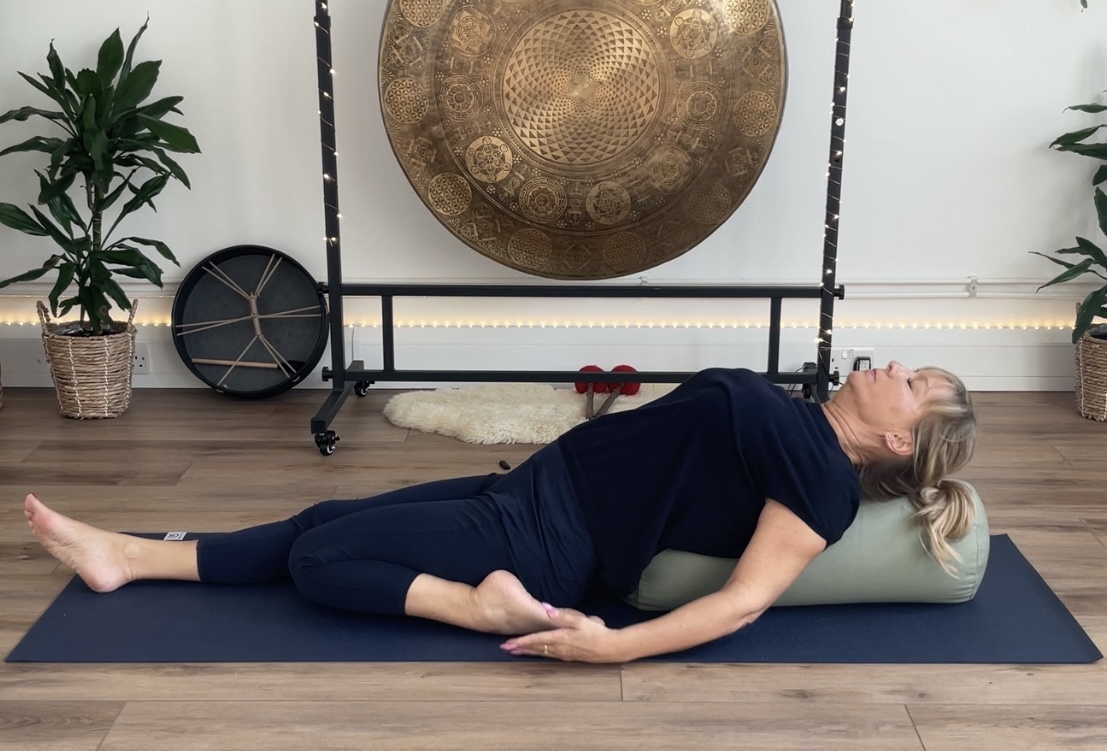
Why Yin Yoga is Done on a Cool Body
If you’ve dipped your toes into Yin Yoga, you may have noticed something different from the usual fitness or flow class — we don’t “warm up” before getting into the postures.
That might sound odd at first. After all, in most styles of exercise, we’re told to get the muscles warm before stretching. But in Yin, the aim isn’t to work the muscles at all.
Here’s the clarity on why Yin is done when the body is cool — as explained by Paul Grilley, one of the founders of modern Yin Yoga.
1. We’re targeting connective tissue, not muscles
Your muscles are built for movement and respond best to warmth and activity. That’s the “yang” way of training.
Connective tissues — fascia, ligaments, tendons, and joint capsules — are different. They respond best to gentle, sustained stress when they’re cool.
If we warm up first, the muscles take over the work, shielding the deeper connective tissue from the mild stress we’re trying to apply.
2. Cool tissue gets a better stretch stimulus
Think of a rubber band. If it’s already warm and stretchy, it won’t experience much stress — and therefore won’t adapt — when you pull it. But when it’s cool, a gentle, steady pull encourages it to gradually lengthen and become more hydrated over time.
That’s what we’re doing with Yin: inviting the connective tissue to gently remodel and become more elastic without overstretching.
3. Safety in Yin comes from how we stretch, not from warming up
Yin isn’t about forcing the body into its limits. We use low-to-moderate intensity and longer holds (often 3–5 minutes or more) so the tissues have time to adapt.
This approach lets the connective tissue slowly “creep” (lengthen) without the risk of overloading it, even when it’s cool.
4. Why we don’t “treat the muscles first”
In yang-style classes, warming up protects the joints during dynamic movement.
In Yin, we want the muscles to relax so the stress goes past them into the fascia and joint tissue.
If the muscles are warm and active, they’ll “steal” the stretch away from the deeper layers.
The takeaway
Yin Yoga is a practice of patience, not power. By working with the body when it’s cool, we can safely and effectively target the connective tissues that keep our joints healthy and mobile over time.
So next time you start your Yin practice without a warm-up, know that it’s not laziness — it’s science.