Why do I need to know about Fascia?
What Even Is Fascia — and Why Should You Care?
Ever felt sore, stiff, or just... off?
Like something’s stuck but you can’t quite stretch it out?
You might assume it’s your muscles, or maybe your joints—but there’s another layer to the story.
A layer most people don’t even know exists.
It’s called fascia.
And trust me, it’s worth knowing about.
So... what actually is fascia?
Fascia is your body’s internal fabric—a stretchy web of connective tissue that wraps around and weaves through everything: muscles, bones, nerves, organs... even your cells.
It holds you together.
It gives you shape.
It allows you to move without falling apart.
But fascia isn’t just structural—it’s smart.
It responds to stress. It remembers injuries. It even holds emotion.
In fact, fascia is like latex—the longer you wear it, the easier it fits. Over time, it adapts. But if it’s neglected? It tightens, sticks, and creates discomfort that’s hard to explain.
Signs your fascia might be a little cranky:
- You feel stiff no matter how much you stretch
- Aches and pains that don’t have a clear cause
- Tension that keeps coming back (hello, neck and shoulders)
- Emotional releases during deep stretching or massage
- Feeling “stuck” physically or mentally
Sound familiar?
Why Yin Yoga helps (in a big way)
Here’s where Yin Yoga comes in.
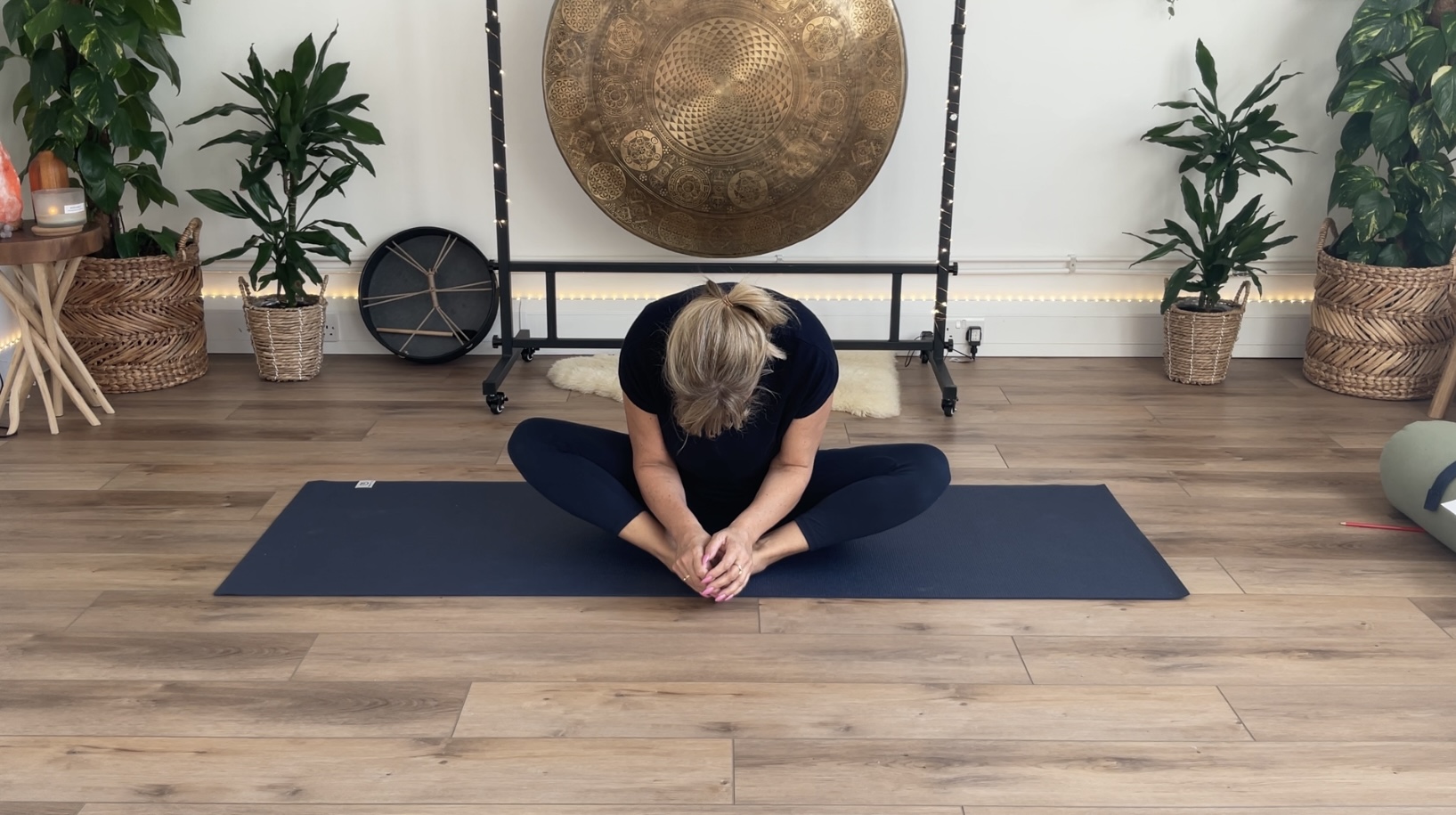
Unlike faster styles of yoga, Yin works with your fascia—gently, slowly, and deeply. We hold poses for 2–5 minutes, giving the fascia time to respond, hydrate, and release.
You don’t need to be bendy. You don’t need to push.
You just need to stay—and breathe.
That stillness is where the magic happens.
Wait—why do I feel emotional in a yoga pose?
Fascia doesn’t just store physical tension.
It can hold onto emotions, trauma, stress—even old habits and postures we’ve outgrown.
That’s why a long hold in a hip opener might suddenly make you feel teary, or why you walk out of class feeling like you’ve let go of something you didn’t even know was there.
Your body is processing—without needing words.
How to keep your fascia healthy
- Move your body in different ways—twist, spiral, stretch
- Stay hydrated (water helps, but movement moves the water through your tissues)
- Get outside and breathe deeply
- Let your body rest and repair
- Practice emotional awareness—what you feel matters
Final thought
You don’t need to know every scientific detail about fascia.
But knowing it’s there—and that it matters—is a game-changer.
Because when you start to care for your fascia, you’re not just easing stiffness.
You’re inviting your whole system—body, mind, and spirit—into balance.
So next time you’re lying still in a Yin pose, and something inside you softens?
That’s your fascia saying thank you.